

The Importance of the Schematic Design Phase

When I first started working on building projects, I quickly realized that rushing into construction without a solid plan was a recipe for headaches and costly mistakes. One of the most crucial steps I learned about early on was the preliminary design phase. This stage sets the foundation for everything that follows, and skipping or skimping on it can lead to delays, budget overruns, and frustration.
If you’re planning a new build or renovation, understanding the preliminary design phase can save you time and money. Let me walk you through why this phase matters so much and how it can make your project smoother.
Why the Preliminary Design Phase Matters
The preliminary design phase is where ideas start to take shape. It’s the time when you and your architect or designer explore what’s possible on your property. You look at the site, consider your needs, and begin sketching out rough plans. This phase is all about clarifying your vision and making sure everyone is on the same page before any detailed work begins.
I remember a project where the homeowner wanted a big open living space but hadn’t thought about how that would affect the structural supports or the budget. During the preliminary design phase, we caught this early and adjusted the plans to fit both the vision and the reality of the site. That saved a lot of headaches later.
Here’s what typically happens during this phase:
Site analysis and measurements
Initial sketches and layouts
Discussions about style, materials, and budget
Identifying potential challenges or restrictions
Taking the time here means fewer surprises down the road. It’s like drawing a map before you start a road trip.
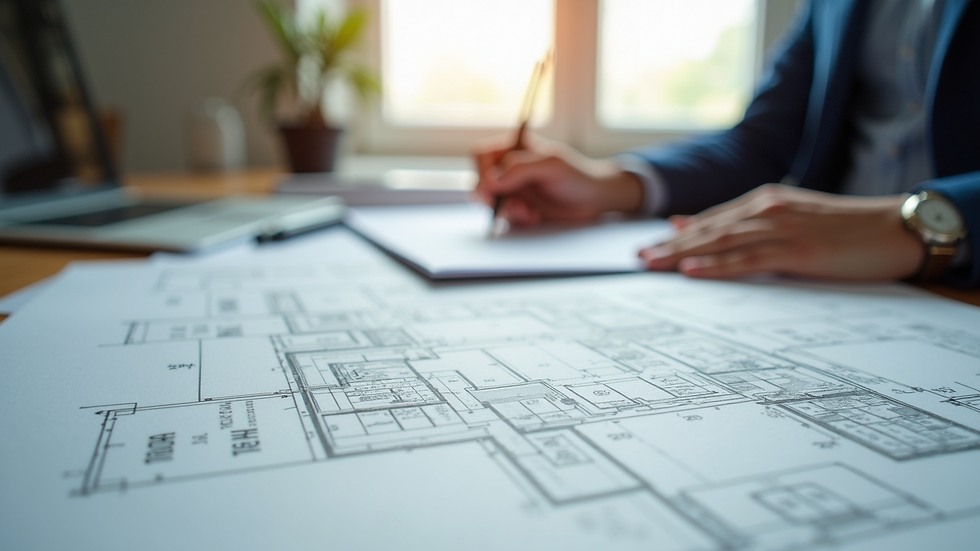
What Does Design Phase Mean?
You might wonder, what exactly does the design phase mean in the context of building projects? Simply put, the design phase is the period when your ideas are transformed into workable plans. It’s broken down into several stages, starting with the preliminary design phase and moving toward more detailed drawings and specifications.
During this phase, the focus is on conceptualizing the project. It’s not about final details yet but about exploring options and making decisions that will guide the rest of the process. This includes:
Defining the project scope
Considering zoning and building codes
Evaluating site conditions
Creating rough floor plans and elevations
This phase is crucial because it sets the tone for the entire project. If you get it right, the next steps will flow much more smoothly.
How the Preliminary Design Phase Helps Avoid Costly Mistakes
One of the biggest benefits I’ve seen from a thorough preliminary design phase is how it helps avoid expensive errors. When you jump straight into detailed plans or construction, you risk missing important factors like site limitations, structural needs, or permit requirements.
For example, I worked with a property owner who wanted to add a second story to their home. Without a proper preliminary design, they didn’t realize the foundation needed reinforcement. Catching this early meant we could adjust the design and budget accordingly. If we hadn’t, the construction would have stalled, and costs would have skyrocketed.
Here are some practical tips to make the most of this phase:
Be clear about your goals - Write down what you want from the project.
Communicate openly with your designer - Share your ideas and concerns.
Ask questions about feasibility - Don’t hesitate to get expert opinions.
Review site conditions carefully - Understand any limitations or opportunities.
Consider future needs - Think about how your needs might change over time.
Taking these steps during the preliminary design phase can save you from surprises and keep your project on track.

How to Work with Your Designer During the Preliminary Design Phase
Working well with your designer during this phase is key. I always recommend treating this as a partnership. Your designer brings technical knowledge, but you bring the vision and personal needs.
Here’s how to get the most out of your collaboration:
Share your lifestyle and priorities - This helps tailor the design to you.
Be honest about your budget - It guides realistic options.
Review sketches carefully - Don’t be afraid to ask for changes.
Stay involved - Regular check-ins keep the project aligned with your goals.
Use feedback constructively - It’s a learning process for both sides.
Remember, the preliminary design phase is flexible. It’s the time to explore ideas and make adjustments before things get locked in.
Why You Should Consider Professional Help for the Schematic Design Phase
If you want to take your project to the next level, working with professionals during the schematic design phase is a smart move. This phase builds on the preliminary design by adding more detail and refining the plans.
Professionals can help you:
Ensure your plans meet local building codes and permit requirements
Optimize the design for energy efficiency and sustainability
Identify potential construction challenges early
Provide accurate cost estimates
In Oregon, where building regulations can be strict, having a trusted local partner like SR Building Plans can make a huge difference. They specialize in creating accurate and affordable building plans that help you secure permits smoothly and avoid costly errors.
By investing in this phase, you’re setting your project up for success from the start.
Moving Forward with Confidence
After the preliminary design phase, you’ll have a clearer picture of your project. You’ll know what’s possible, what it will cost, and how long it might take. This clarity is invaluable when you move into detailed design and construction.
If you’re ready to start your building project, don’t rush. Take the time to get your preliminary design right. It’s the best way to protect your investment and make sure your dream home or renovation becomes a reality without unnecessary stress.
Whether you’re a homeowner, contractor, or property owner in Oregon, partnering with experienced professionals during this phase can save you time and money. It’s an investment that pays off in smoother permits, fewer surprises, and a better final result.
So, what’s your next step? Start by gathering your ideas, talking to a designer, and exploring your site. The preliminary design phase is where your project’s success story begins.


Comments